Hawaii is more than a tourist destination; it’s a strategic hub for the U.S. military in the Pacific. Installations like Joint Base Pearl Harbor-Hickam, Schofield Barracks, and the Marine Corps Base Hawaii are not just bases; they are sprawling cities that require a constant, secure, and reliable flow of supplies. The CDL drivers who execute this mission are the backbone of military readiness in the region.
Hauling freight for the military is a world apart from standard commercial work. It demands an exceptional level of professionalism, precision, and trustworthiness. Security is paramount, and the standards for safety are absolute. In this “zero-fail” environment, a Department of Transportation (DOT) drug or alcohol violation isn’t just a personal mistake—it’s a security risk that can bring a driver’s career to an abrupt halt.
This is where the Substance Abuse Professional (SAP) plays a critical, behind-the-scenes role. SAPs are the gatekeepers who ensure that the drivers supporting our armed forces are safe and sober, upholding the integrity of this vital supply chain.
The Unique World of Military Logistics in Hawaii
Serving military bases in Hawaii comes with a unique set of challenges that magnify the importance of driver compliance. The pressure is immense, and the margin for error is non-existent.
Extreme Security and Scrutiny
Getting onto a base like Pearl Harbor or Schofield Barracks isn’t as simple as pulling up to a warehouse. Drivers must undergo background checks and possess the right credentials. Every entry involves a security checkpoint where guards are trained to look for any sign of trouble, including signs of impairment. Any discrepancy in your paperwork or suspicious behavior can result in being denied access, causing significant delays.
The “Mission Critical” Factor
The freight you’re hauling isn’t just consumer goods. It could be anything from fresh food for the troops to sensitive equipment or hazardous materials. These supplies are essential for operational readiness. A delayed or mishandled load can have real consequences for military operations. This “mission critical” mindset creates intense pressure to perform flawlessly on every run.
High-Stakes Cargo
Many drivers in this sector have hazmat endorsements to transport fuel, ammunition, and other dangerous goods. These loads are under the highest level of scrutiny. A compliance violation while hauling hazmat to a military installation is a catastrophic event for a driver’s career and a major security concern for the base.
Compliance is Not Optional
Given the sensitive nature of the work, military contractors and the logistics companies that serve them enforce the strictest compliance standards in the industry. They cannot afford the risk posed by an unreliable or impaired driver.
This means that all DOT regulations, especially the drug and alcohol testing rules found in 49 CFR Part 40, are enforced to the absolute letter. There are no second chances or “gray areas.” A failed random drug test or a post-accident positive result has immediate and severe consequences. The driver is instantly removed from all safety-sensitive duties, their access to all military installations is revoked, and their status in the FMCSA Clearinghouse is flagged as “Prohibited.” At that moment, their career in military logistics is frozen solid.
The SAP: Your Path to Regaining Clearance
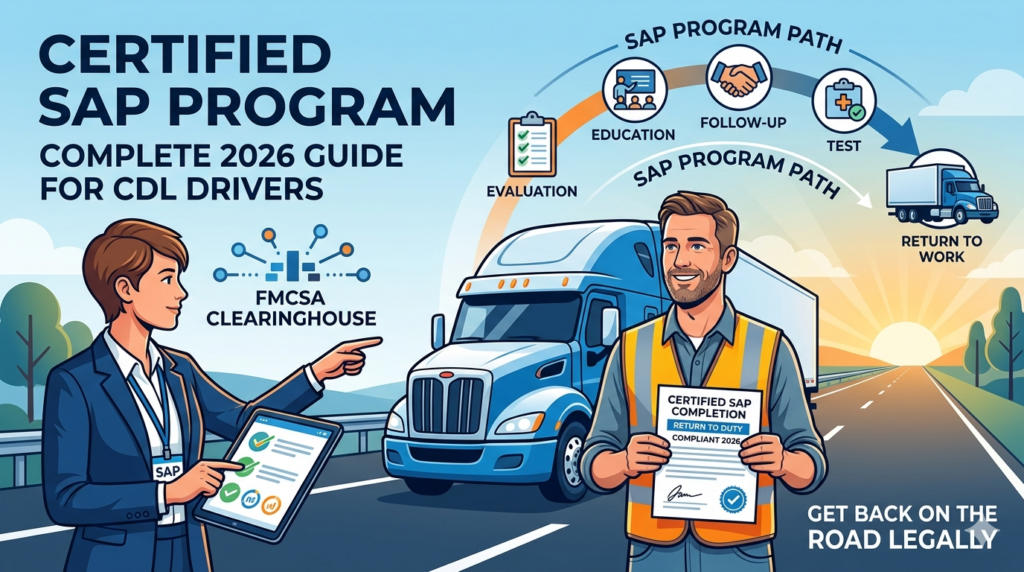
For a driver who has lost their clearance due to a drug or alcohol violation, the situation can feel hopeless. However, there is a formal, federally regulated pathway back: the Substance Abuse Professional (SAP) process. Military contractors and the Department of Defense depend on the integrity of this process to ensure any driver returning to duty is safe, sober, and fully compliant.
A DOT-qualified SAP is a trained clinician who serves as an independent gatekeeper for public and national safety. Their role is not to punish but to evaluate and guide.
Step 1: The Comprehensive Evaluation
The SAP conducts a thorough clinical assessment of the driver. They understand the high-stress environment of military hauling and take into account all factors that may have contributed to the violation.
Step 2: A Personalized Action Plan
Based on the evaluation, the SAP prescribes a specific plan of education or treatment. This plan is designed to address the root cause of the violation and give the driver the tools to avoid future mistakes.
Step 3: Clearance for Return-to-Duty
Once the driver diligently completes the program, they meet with the SAP for a follow-up evaluation. If the SAP is confident that the driver is safe and committed to compliance, they issue a formal report. This report is the key that unlocks the next step: a return-to-duty test. It’s the official documentation a driver needs to begin the process of regaining access to military installations.
Successfully completing the SAP process demonstrates to contractors that the driver has taken full responsibility for their actions and has been professionally cleared for duty.
Overcoming Logistical Hurdles with Virtual SAP Services
Many of Hawaii’s military installations are spread across the islands. A driver working on a project at the Pacific Missile Range Facility on Kauai who gets a violation would face a significant logistical challenge traveling to Oahu for in-person SAP appointments.
Virtual SAP evaluations have become a crucial tool in these situations. Through secure video conferencing, a driver can complete their mandatory assessments from home, no matter which island they are on. This accessibility is vital for minimizing downtime and helping a driver get back on the path to compliance as quickly and efficiently as possible.
Maintaining Your Career in a Zero-Fail Environment
A long and successful career in military logistics requires an unwavering commitment to professionalism.
- Embrace the Rules: Understand that the strict security protocols and regulations are in place for national security. Never cut corners.
- Manage Stress Responsibly: The pressure of the job is real. Find healthy outlets for stress, like exercise, hobbies, or talking with friends and family. Do not turn to prohibited substances, including “legal” but unregulated products like CBD and Delta-8, which can cause a positive drug test.
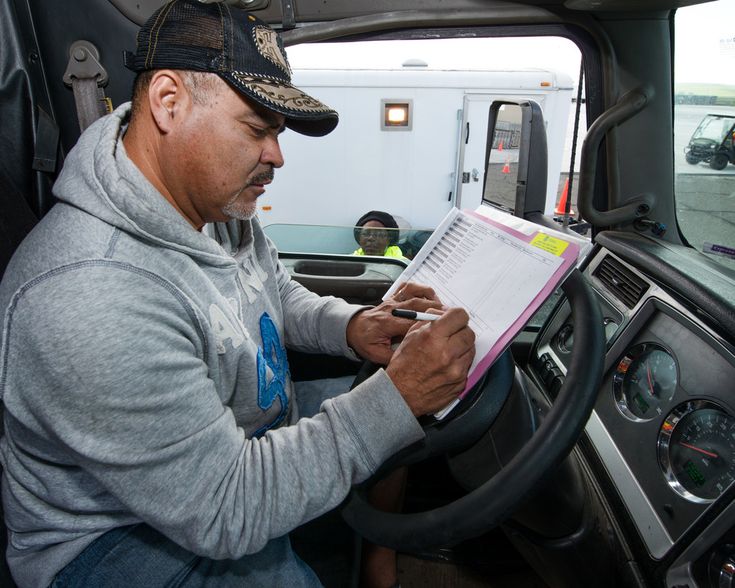
- Stay Prepared: Always have your documentation in perfect order. Keep your CDL, medical card, and any required security credentials readily accessible. Conduct thorough pre-trip inspections every single time.
Serving Hawaii’s military bases is a source of immense pride for many CDL drivers. It’s an opportunity to play a direct role in supporting our nation’s defense. By upholding the highest standards of safety and personal conduct, you can maintain the trust placed in you. And if a mistake happens, know that the structured SAP process is there to provide a clear, professional, and respected path back to the mission.
Frequently Asked Questions
1. Are the drug testing rules stricter for drivers entering military bases?
The DOT drug testing regulations (49 CFR Part 40) are the same for all CDL drivers. However, the military contractor you work for may have its own, stricter company policies. Furthermore, security personnel at a base entrance can deny you access if they have a reasonable suspicion that you are under the influence.
2. If I get a violation, will I ever be allowed back on a military base?
After a violation, you will not be allowed on a base until you have successfully completed the entire SAP return-to-duty process and your Clearinghouse status is “Not Prohibited.” After you are cleared, you will likely need to go through a re-vetting process with the specific military contractor or base security office to regain access.
3. Do Military Police (MP) conduct DOT inspections on base?
Yes. Military Police or Department of Defense (DoD) Police who are certified in commercial vehicle inspections have the authority to pull you over and conduct a full DOT inspection while you are on a military installation.
4. Can I take prescription medication and still drive onto a base?
If you are taking any prescription medication, especially one that carries a warning about drowsiness or operating machinery, you must report it to your company’s safety department. Even if the medication is legal, they will determine if you are safe to perform your duties. Transparency is key.
5. How can I find a SAP familiar with military contract work?
While any DOT-qualified SAP can handle your case, you can use online directories like CertifiedSAP to find professionals who serve Hawaii. Many SAPs who offer virtual evaluations have broad experience working with drivers from various sectors, including government and military contracting.